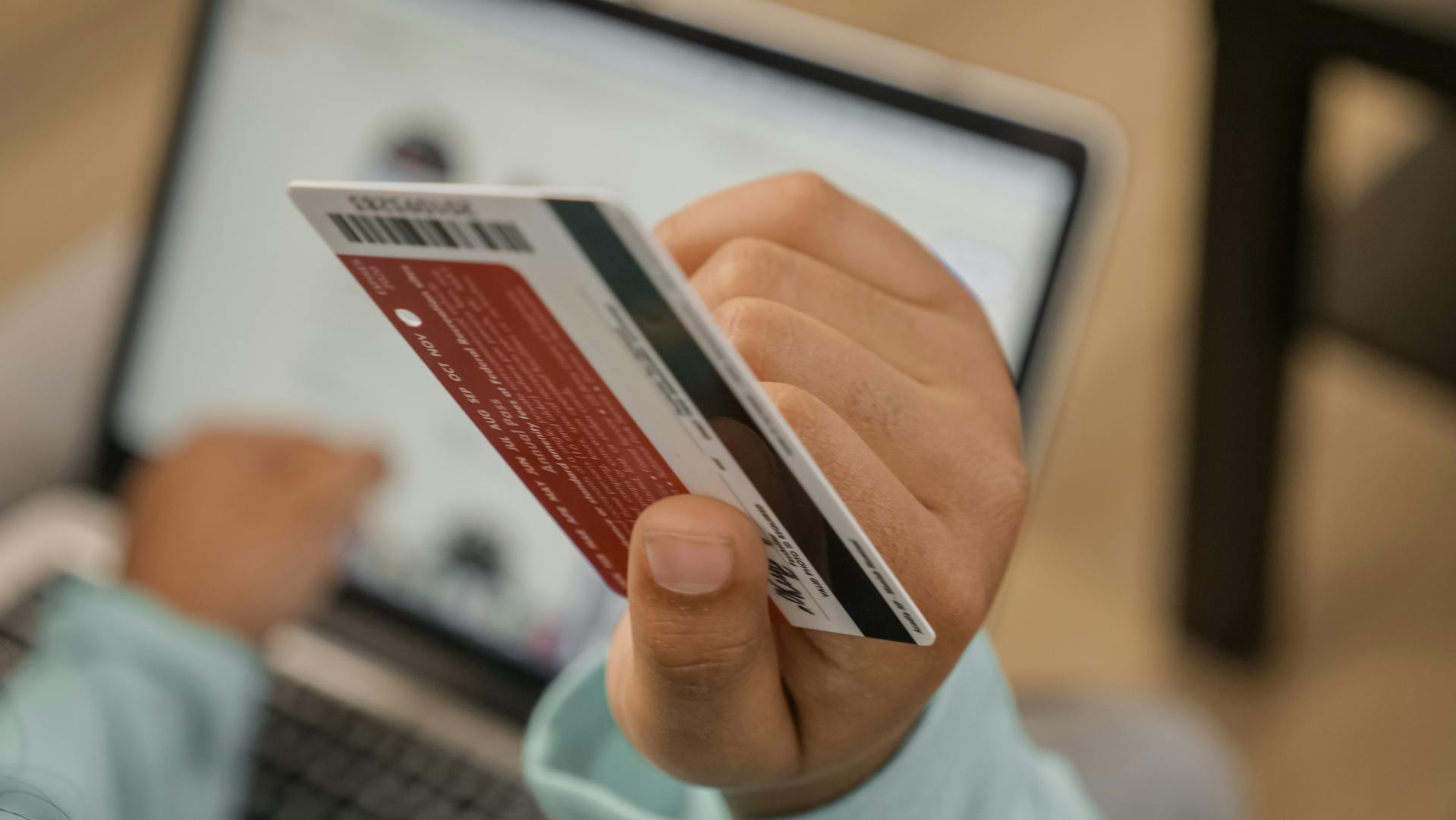
Checkout is where revenue is decided.
You can drive traffic, optimize product pages, and run strong offers, but if payment feels limited or slow, customers leave.
Most abandoned carts happen at the final step. That’s not a traffic problem. It’s a checkout problem.
Payment flexibility directly impacts conversion rate. When customers see their preferred option—card, wallet, or installments—they feel safe.
They feel in control. Friction drops, and completion rates rise.
In this guide, you’ll learn how to structure your Shopify payment methods to reduce abandonment, increase trust, and convert more of the traffic you already paid for.
Ready to fix your checkout funnel? Check out this Shopify cart and checkout optimization playbook.
Why Payment Methods Matter for Conversions
Payment choice is not a feature; it is a behavioral trigger that directly influences whether a customer completes a purchase.
At checkout, the buyer is no longer evaluating your product—they are evaluating risk, convenience, and control.
When customers see their preferred payment method, cognitive effort drops because the decision feels familiar and routine; the brain favors known processes over new ones.
Remove that preferred option, and hesitation increases. That hesitation creates friction, and friction kills conversions.
Limited payment options amplify abandonment because they force customers to adapt instead of proceeding.
If someone prefers PayPal for buyer protection, Apple Pay for speed, or installments to manage cash flow, and it’s not available, the purchase suddenly feels harder than it should.
Even motivated buyers will leave if completing the payment requires extra steps, extra trust, or extra mental effort.
Trust and familiarity drive the final click. Recognizable logos, secure gateways, and widely used payment brands reduce perceived risk within seconds.
Customers do not analyze your encryption protocols—they look for signals they already trust.
When those signals are present, completion rates rise because the transaction feels safe and effortless.
When they are missing, doubt replaces momentum. Conversions improve when checkout feels easy, expected, and secure. That is the strategic role payment methods play.
Understanding Checkout Abandonment on Shopify
Checkout abandonment on Shopify typically happens at the payment stage because this is where commitment becomes real.
Customers hesitate when unexpected costs appear, when their preferred payment method is missing, when the checkout feels slow, or when they are forced to create an account before paying.
At this point, motivation is fragile. Even small obstacles can interrupt momentum.
Hidden friction points often go unnoticed by store owners because they seem minor: too many form fields, unclear error messages, limited autofill support, slow-loading payment gateways, or a lack of express checkout options on mobile.
Each extra step increases cognitive load. Each delay increases doubt.
If a buyer has to search for their wallet, manually enter long card details, or question whether the site is secure, conversion probability drops.
The cost of not optimizing payment methods is measurable.
You lose completed orders, paid traffic efficiency declines, and acquisition costs rise because more visitors are needed to generate the same revenue.
Over time, this compounds. Improving payment flexibility and reducing friction does not just recover abandoned carts, but it also increases the return on every marketing dollar already spent.
The Must-Have Payment Methods for Shopify Stores
Your payment stack should remove friction, not create it.
The goal is simple: give customers the fastest, safest path to complete the purchase based on how they already prefer to pay.
1. Credit & Debit Cards
Card payments remain the foundation of e-commerce. Visa, Mastercard, and American Express are globally recognized and widely trusted.
They create instant legitimacy because customers expect to see them.
From a performance standpoint, cards capture the broadest segment of buyers.
Even customers who prefer wallets or installments often have a card connected behind the scenes. Removing or limiting card support immediately restricts your conversion ceiling.
Ensure your gateway processes cards quickly, supports autofill, and minimizes form errors. Card payments are not optional. They are the baseline.
2. Express Checkout Options
Express methods compress the checkout process into seconds.
- Shop Pay stores customer details for fast repeat purchases and is deeply optimized within Shopify’s ecosystem.
- Apple Pay and Google Pay reduce friction on mobile by eliminating manual entry.
- PayPal adds an extra layer of buyer confidence, especially for first-time shoppers.
One-click payments increase mobile conversions because they remove typing. On smaller screens, long forms create drop-off.
When customers can authenticate with a fingerprint or face scan, the purchase feels effortless. Speed reduces hesitation. Less hesitation increases completion rate.
3. Buy Now, Pay Later (BNPL)
Installment options reduce price resistance without lowering your price.
- Shop Pay Installments integrates directly into Shopify and allows split payments at checkout.
- Klarna and Afterpay are widely recognized BNPL providers that increase purchasing flexibility.
From a revenue perspective, BNPL often increases average order value (AOV).
Customers are more comfortable adding upgrades or higher-ticket items when the upfront cost is divided into manageable payments.
You maintain margin. The customer gains flexibility. Conversion probability rises, especially for mid- to high-priced products.
4. Local & Alternative Payment Methods
Payment behavior varies by country. What works in the United States may not work in Europe, Asia, or Africa. Ignoring regional preferences limits global growth.
Some markets prefer bank transfers. Others rely heavily on digital wallets or region-specific gateways.
If customers cannot pay the way they normally do, trust decreases and abandonment increases.
The strategic move is alignment. Review where your traffic comes from. Identify dominant local payment methods. Then enable only the relevant options to avoid clutter.
The Psychology Behind Payment Preferences
Payment behavior is driven more by emotion than logic, especially at checkout.
The “pain of paying” theory explains that people experience a small psychological discomfort when money leaves their control, and that discomfort increases when the payment feels large, visible, or immediate.
Entering full card details, seeing a single high total, and clicking a final confirmation button makes the transaction feel real and irreversible. That intensity increases hesitation.
Digital wallets reduce this pain because they abstract the transaction.
When a customer uses Apple Pay, Google Pay, or a stored method, they are not re-entering financial details; they are approving an already trusted setup.
The payment feels lighter. It feels routine. Less friction means less emotional resistance. Installments reduce price resistance differently.
Instead of confronting one large number, the buyer processes smaller, manageable amounts.
A $400 purchase framed as four smaller payments shifts attention from total cost to affordability.
The product does not feel cheaper, but it feels accessible. That shift increases willingness to proceed without discounting your offer.
When you understand these psychological triggers, your payment strategy becomes intentional.
You are not just adding options. You are reducing emotional barriers that stop customers from completing the sale.
Mobile Checkout Optimization
Mobile checkout requires a different level of precision because attention spans are shorter and screen space is limited.
On desktop, customers tolerate minor friction; on mobile, they abandon quickly. Slower load times, small input fields, and repeated form entries feel heavier on a phone.
That is why mobile users need faster payment methods. Express options like wallets and stored payment systems eliminate steps, which protects momentum.
The fewer taps required, the higher the completion rate.
Autofill and saved payment details directly increase conversions because they reduce cognitive effort and physical effort at the same time.
When shipping addresses, card numbers, and contact details populate automatically, the process feels smooth and controlled.
There is less room for error. Fewer errors mean fewer interruptions. Reducing typing friction is not just about convenience; it is about preserving intent.
Long forms on small keyboards create fatigue. Fatigue leads to hesitation. Hesitation leads to abandonment.
Optimize for minimal input fields, enable address lookup, activate accelerated checkouts, and remove unnecessary steps.
When checkout feels effortless on mobile, conversions rise because customers can act immediately instead of thinking twice.
Building Trust at Checkout
At checkout, customers are not evaluating your branding anymore. They are evaluating risk. Every visual signal and every line of text either reduces doubt or increases it.
Security Badges and SSL
Security indicators provide instant reassurance. Customers may not understand encryption standards, but they recognize visual cues like SSL locks and secure checkout messaging.
These symbols communicate that their financial data is protected. When shoppers feel their information is safe, perceived risk decreases.
Ensure your checkout clearly displays HTTPS, secure payment messaging, and any relevant compliance badges.
Do not overload the page with excessive graphics. Place them near payment fields where doubt typically appears.
Security reassurance must be visible at the moment of decision.
Clear Refund and Return Policies
Uncertainty about returns increases hesitation. Customers often ask themselves a simple question before paying: “What happens if this doesn’t work for me?” If the answer is unclear, they delay the purchase.
A concise refund and return summary at checkout reduces that friction. State your policy in plain language. Mention timelines, conditions, and the process briefly.
When customers know they are not trapped, commitment becomes easier.
Transparent Pricing (No Surprise Fees)
Unexpected costs are one of the strongest triggers for abandonment. Shipping fees, taxes, or service charges that appear late in the process break trust immediately.
Customers interpret surprises as manipulation, even if unintentional. Display full pricing clearly before the final payment step.
Show shipping costs early. Be upfront about taxes. Transparency protects momentum because the total price feels fair and expected.
Predictability reduces resistance.
Displaying Trusted Payment Logos
Recognizable payment logos function as trust anchors. When customers see familiar brands like major card networks or digital wallets, they borrow trust from those institutions.
The transaction feels legitimate because it is connected to systems they already use daily. Position these logos near the payment selection area, not hidden in the footer.
Keep the design clean and organized. Familiarity lowers perceived risk, and lower perceived risk increases conversions.
How to Choose the Right Payment Mix
Analyze Your Audience Location
Payment behavior varies by geography. Customers in different countries trust different providers and rely on different systems.
If your traffic comes primarily from one region, prioritize the dominant payment methods in that market.
If you sell internationally, consider enabling region-specific options dynamically.
Start by identifying your top traffic and sales countries. Then, research the most commonly used payment methods in those markets.
Review Shopify Analytics
Your data already shows you how customers behave. Review conversion rate by payment method, abandoned checkout reports, and device breakdowns inside Shopify analytics.
Look for patterns. Are mobile users converting lower? Are certain payment methods underperforming or rarely used? Are customers dropping off at the payment step?
Data replaces assumptions. Decisions based on analytics are more reliable than industry trends.
Test and Measure Impact
Payment optimization should be iterative. Enable a new method. Monitor conversion rate, average order value, and checkout completion rate.
Compare performance over a defined period.
Avoid making multiple major changes at once. Isolate variables so you can measure real impact.
Small adjustments in payment flexibility can produce measurable revenue gains when tracked correctly.
Avoid Overwhelming Customers with Too Many Options
More choice is not always better. While flexibility increases conversions, excessive options can create decision fatigue.
When customers hesitate between too many payment buttons, momentum slows.
Prioritize relevance. Keep your payment selection clean and organized. Display the most commonly used methods first.
Remove rarely used options if they add clutter without driving revenue.
Testing & Optimizing for Higher Conversions
A/B Testing Payment Layouts
Layout influences behavior. The order in which payment methods appear, the prominence of express options, and the visual weight of buttons all affect choice.
Test one variable at a time. For example, compare placing express checkout buttons at the top versus below card fields. Measure which version produces higher completion rates.
Avoid redesigning everything at once. Controlled A/B testing isolates cause and effect, which protects you from false conclusions.
Tracking Conversion Rate by Payment Method
Not all payment methods perform equally. Some drive higher completion rates. Others may increase average order value.
Review your data to see which methods customers actually use and how they convert. If a specific wallet shows a significantly higher success rate, prioritize it visually.
If another method has high failure or abandonment rates, investigate processing speed, technical errors, or trust perception.
Monitoring Checkout Drop-Off Rates
Checkout funnels reveal where momentum breaks.
Analyze step-by-step abandonment data to identify whether customers drop off before selecting a payment method, during entry, or after encountering an error.
Each stage signals a different issue. Early drop-off may indicate trust concerns. Mid-stage drop-off often suggests friction in form completion.
Late-stage abandonment can point to payment processing delays or unexpected fees. Precision in diagnosis leads to effective correction.
Iterative Optimization Strategy
Conversion improvement is cumulative. Implement changes in structured cycles. Test, measure, adjust, and repeat.
Avoid emotional decisions based on short-term fluctuations. Use statistically meaningful data over a defined time frame.
Small gains in checkout completion compound over time because they apply to all traffic sources.
When testing becomes routine rather than reactive, checkout evolves into a controlled growth lever instead of a static system.
Common Payment Mistakes That Hurt Conversions
- Offering only one payment method – Limiting choice forces customers to adapt to your system instead of paying how they prefer, which increases abandonment instantly.
- Forcing account creation – Mandatory sign-ups add friction at the worst possible moment and interrupt purchase momentum.
- Slow payment gateways – Delays during processing create uncertainty, and even a few extra seconds can cause customers to exit.
- Not enabling express checkout – Without one-click options, especially on mobile, you increase typing effort and reduce completion rates.
- Ignoring mobile optimization – Checkout forms that are not streamlined for small screens lead to fatigue, errors, and higher drop-off rates.
Advanced Strategies for Scaling Stores
As your store grows, payment optimization becomes more strategic. At scale, small inefficiencies multiply across thousands of transactions.
Advanced payment structuring allows you to increase global conversions, raise average order value, and support long-term customer retention.
Dynamic Payment Methods by Country
Different countries trust different payment systems. Showing irrelevant options creates clutter and lowers confidence.
Instead of displaying every method to every visitor, configure your store to present payment options based on the customer’s location.
This improves clarity and increases familiarity at checkout. When shoppers see payment methods commonly used in their region, perceived risk decreases.
Review your international traffic distribution and enable region-specific gateways accordingly.
Localization at the payment level supports global growth without complicating the user experience.
Subscription-Friendly Payment Setups
Recurring revenue models require a stable, flexible payment infrastructure. Subscription customers expect seamless renewals without manual action.
Choose gateways that support recurring billing, automatic retries for failed payments, and secure card tokenization.
Payment failures are one of the largest causes of subscription churn. Configure automated retry logic and customer notifications to recover revenue before cancellation occurs.
The objective is continuity. A reliable recurring payment system protects lifetime value and stabilizes cash flow.
High-Ticket Product Financing Strategies
Higher price points increase friction unless affordability is addressed directly.
Financing options, such as installments or third-party credit providers, reduce the upfront burden without discounting your offer.
Present financing clearly on product pages and again at checkout to set expectations early. Transparency prevents surprise and builds confidence.
For premium products, structured payment plans can significantly increase conversion rates and average order value.
Cross-Border Currency and Payment Localization
Currency mismatch creates hesitation. When customers must calculate exchange rates mentally, trust declines.
Enable local currency display and localized payment processing where possible. This reduces uncertainty and improves perceived fairness in pricing.
Payment localization also includes adapting to regional tax handling and compliance standards.
Cross-border selling is not just about shipping globally; it is about creating a checkout experience that feels native.
When pricing, currency, and payment methods align with local expectations, international conversions scale more predictably.
Final Thoughts
Checkout performance is not random. It is structured.
Payment flexibility reduces friction because customers can pay the way they already prefer.
When the process feels simple and familiar, resistance drops. Completion rates rise.
Convenience builds trust. Fast, secure, and transparent payment flows signal professionalism and stability.
Small checkout improvements compound. A slight lift in completion rate applies to all traffic sources, which means higher revenue without increasing ad spend.
Optimize payments strategically, and your checkout becomes a growth engine—not a leak.
See what’s costing you sales in this Shopify checkout and cart optimization guide.
FAQs
How many payment methods should I offer?
Offer enough to match your audience’s preferences—typically cards, one or two express options, and BNPL if relevant. Prioritize relevance over quantity.
Does adding PayPal increase conversions?
Often yes. PayPal adds familiarity and buyer confidence, especially for first-time customers.
Are Buy Now, Pay Later options worth it?
For mid- to high-priced products, yes. BNPL can increase both conversion rate and average order value.
Can too many payment options hurt conversions?
Yes. Excessive options create decision fatigue and clutter. Keep checkout clean and focused.
What’s the fastest way to improve checkout conversions?
Enable express checkout, optimize for mobile, and remove unnecessary form fields. Reduce friction first.





Hi, I’m Ethan Caldwell. After transitioning from IT into eCommerce in 2017, I’ve spent the last 9 years building and optimizing Shopify stores. I focus on conversion rate optimization, breaking down what actually improves conversions into clear, practical insights.